
Introduction
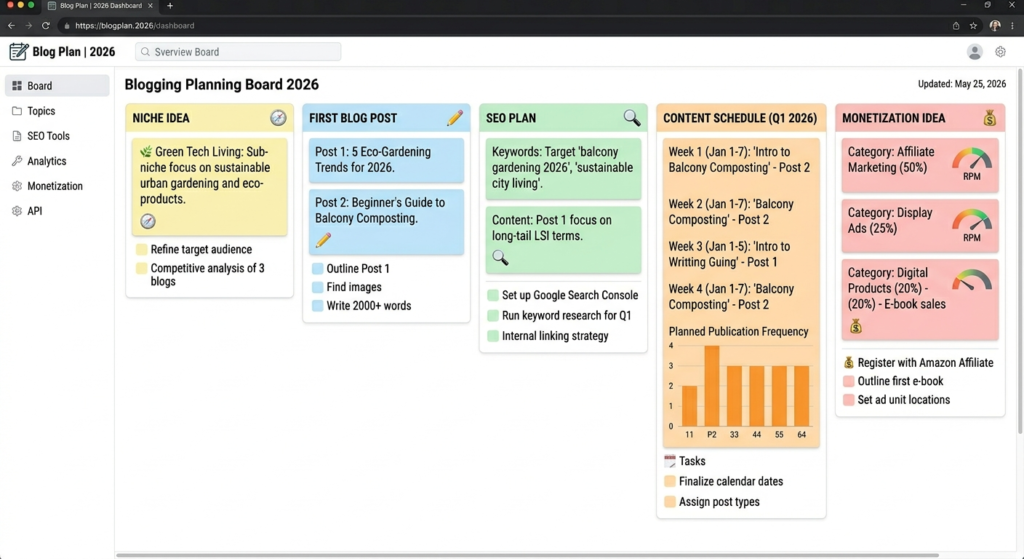
How to start blogging in 2026 is one of the biggest questions beginners are asking today. Many people want to know whether blogging still works and how bloggers actually make money in 2026.
Have you ever wondered if blogging is still worth it in 2026?
The short answer is yes — but only if you do it the smart way.
Many beginners think blogging is dead because of AI tools, social media, and short-form videos. But the reality is completely different. Blogging in 2026 is evolving, not dying.
Today, successful bloggers are combining SEO, AI tools, helpful content, and personal experience to grow websites that make money through ads, affiliate marketing, sponsored content, digital products, and services.
If you are searching for how to start blogging in 2026 and make money, this beginner-friendly guide will show you exactly what to do step by step.
Whether you are a student, creator, freelancer, side hustler, or complete beginner, this guide will help you understand blogging in a simple and practical way.
By the end of this article, you will know:
- How to choose a profitable blog niche
- How to create your blog properly
- Which tools beginners should use
- How bloggers make money in 2026
- Common mistakes to avoid
- How to grow traffic with SEO
Let’s start from the basics.
What Is Blogging in 2026?
Blogging in 2026 is not just writing articles and hoping for traffic.
Modern blogging means creating useful, trustworthy, and searchable content that solves real problems.
A blog can be:
- A personal brand
- A side hustle
- A business asset
- A passive income source
- A lead generation tool
For example:
Imagine someone searches:
Best AI tools for students”
If your article genuinely helps users, answers questions clearly, and provides value, it can rank on Google and generate traffic for years.
That traffic can turn into money through:
- Display ads
- Affiliate commissions
- Sponsored collaborations
- Selling digital products
- Freelance services
This is why blogging still works in 2026.
Is Blogging Still Profitable in 2026?
Short Answer: Yes — if done correctly.
Many people quit blogging because they expect quick money.
But blogging is more like building an online asset.
Think of it like planting a tree.
You water it for months before getting fruit.
The same thing happens with blogging.
A helpful blog post written today may continue bringing visitors and income for years.
Here’s what successful bloggers focus on in 2026:
1. Helpful Content
Google now rewards content written for humans, not search engines.
Instead of keyword stuffing, bloggers focus on:
- Real experiences
- Clear explanations
- Helpful tutorials
- Easy readability
2. SEO + User Experience
Ranking today is about more than keywords.
You need:
- Fast website speed
- Helpful structure
- Search intent matching
- Trust signals
- Internal linking
If you are new to blogging, learning the basics first helps a lot. You can also read this beginner-friendly guide on AI blogging basics:
AI Blogging Basics for Beginners:
3. Consistency
Most bloggers fail because they quit too early.
Successful bloggers publish consistently for months.
Even 2–3 quality articles weekly can create strong long-term growth.
Why Start Blogging in 2026?
Here’s why blogging is becoming even more powerful.
1. AI Increased Content Demand
AI tools made content creation faster.
But users still want trustworthy, experience-based answers.
This creates opportunities for bloggers who publish useful content.
Instead of replacing bloggers, AI is helping bloggers work faster.
You can even use AI to brainstorm content ideas.
If you struggle with topics, this guide can help:
How to Find Blog Ideas With AI:
2. Low Investment Business
Starting a blog is one of the cheapest online businesses.
Compared to:
- E-commerce
- Agencies
- Physical stores
Blogging costs very little to start.
Usually:
- Domain name
- Hosting
- Basic tools
That’s it.
3. Multiple Income Sources
One blog can generate income from multiple streams.
Examples include:
Display Ads
You get paid when visitors see ads.
Examples:
- Google AdSense
- Premium ad networks
Affiliate Marketing
Recommend useful products and earn commissions.
Example:
If someone buys through your recommendation link, you earn money.
Sponsored Posts
Brands pay you to write about products.
Digital Products
Sell:
- PDFs
- Templates
- Courses
- E-books
Services
Bloggers also sell:
- SEO services
- Freelancing
- Consulting
This makes blogging flexible for all audiences.
Step 1: Choose the Right Blog Niche
Choosing the wrong niche is one of the biggest reasons blogs fail.
A niche simply means your topic category.
Examples:
- AI tools
- Technology
- Personal finance
- Health
- Fitness
- Education
- Blogging
- Travel
- Food
But here is the secret:
Don’t Choose Only Passion — Choose Opportunity
A good niche should have:
1. Search Demand
People must actively search for it.
Ask:
“Are people Googling this?”
Good examples:
- AI tools
- Blogging tips
- Side hustles
- Online earning
- Fitness
Bad example:
A super-random hobby with almost no search demand.
2. Monetization Potential
Can you make money?
For example:
A blogging niche can earn from:
- Hosting affiliates
- SEO tools
- Courses
- Ads
An AI niche can earn from:
- Software recommendations
- Affiliate tools
- Sponsorships
3. Long-Term Interest
Pick something you can write about for years.
Don’t choose a niche you’ll hate after 10 articles
Best Blog Niches in 2026
Here are some beginner-friendly profitable ideas:
- AI and tools
- Blogging
- Online earning
- Education
- Career growth
- Personal finance
- Fitness
- Self-improvement
- Tech tutorials
- Productivity
Step 2: Choose Your Blogging Platform
If you are serious about blogging, use WordPress.org.
Why?
Because it gives:
- Full ownership
- Better SEO flexibility
- Monetization freedom
- Plugin support
- Customization
Avoid free platforms if your goal is making money.
They limit growth.
Step 3: Buy a Domain and Hosting
Think of this simply:
Domain = Website Name
Example:
yourblog.com
Hosting = Home for Website Files
Without hosting, your website cannot go online.
Choose:
- Reliable speed
- Good support
- Strong uptime
- Beginner-friendly dashboard
Don’t choose the cheapest option blindly.
Slow websites hurt rankings.
Google values user experience.
Step 4: Start Blogging Even With Mobile
Don’t have a laptop?
No problem.
Many bloggers now manage blogs entirely using phones.
You can:
- Write articles
- Upload images
- Publish posts
- Manage SEO plugins
using mobile devices.
Here’s a beginner guide that explains mobile blogging:
Mobile Blogging Guide for Beginners:
Step 5: Create Click-Worthy Blog Titles
Your content may be amazing.
But if nobody clicks?
You lose traffic.
Good titles increase:
- CTR (click-through rate)
- Curiosity
- Search visibility
Example:
Bad title:
Blogging Tips
Better title:
How to Start Blogging in 2026 and Actually Make Money
You can learn title creation strategies here:
How to Create Better Blog Titles:
Step 6: Learn SEO (The Skill That Brings Free Traffic)
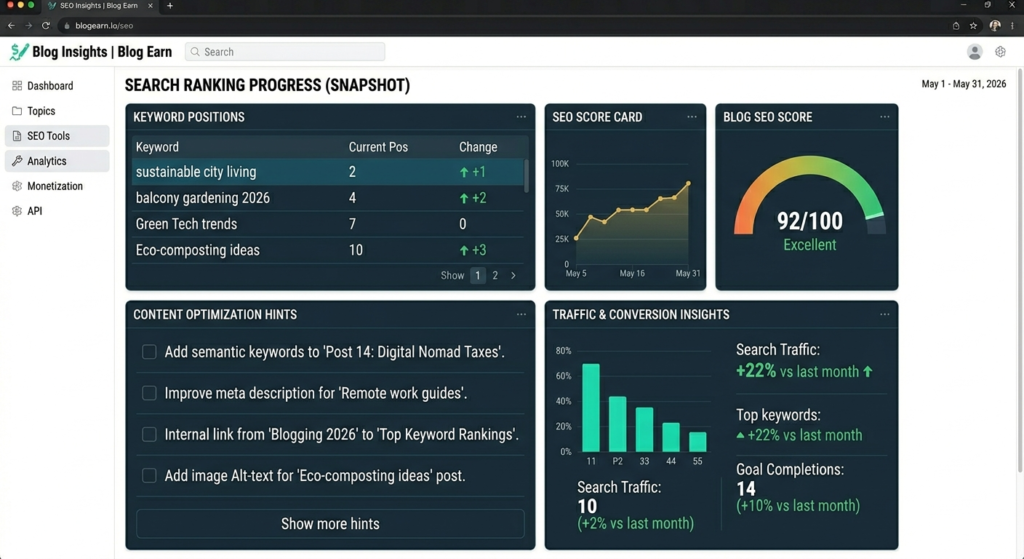
If blogging is a business, then SEO is the engine.
SEO (Search Engine Optimization) helps your content appear in search results when people look for answers online.
For example:
Someone searches:
“best free AI tools for students”
If your article is optimized properly, it can rank and bring visitors for months or even years.
Beginner SEO Checklist for 2026
Focus on these basics first:
1. Search Intent
Ask:
What does the user actually want?
For example:
If someone searches:
“How to start blogging in 2026”
They want:
- Step-by-step guidance
- Beginner-friendly explanation
- Money-making strategies
- Real examples
Not confusing technical jargon.
2. Use Keywords Naturally
Don’t stuff keywords everywhere.
Instead, place them naturally in:
- Title
- Introduction
- H2/H3 headings
- URL slug
- Meta description
- Image alt text
Examples of natural keywords:
- how to start blogging in 2026
- blogging for beginners
- make money blogging
- blog SEO tips
- start a profitable blog
3. Focus on Helpful Content
In 2026, search engines reward useful content.
Before publishing, ask:
“Does this genuinely help someone?”
If yes, you’re moving in the right direction.
Step 7: Write Blog Posts That Actually Rank
Most beginners make one mistake:
They write what they want.
Instead, write what people search for.
A Simple Ranking Formula
Use this structure:
Problem → Solution → Example → Actionable Steps
Example:
Topic:
How to Start Blogging in 2026
How to Start Blogging in 2026
Structure:
- What blogging is
- Why it still works
- Step-by-step setup
- Monetization methods
- Mistakes to avoid
- FAQ section
This makes articles easier to read and rank better.
Keep Paragraphs Short
Nobody likes giant blocks of text.
Instead of long paragraphs:
- Keep sentences simple
- Use bullets
- Add spacing
- Make reading easy
This improves user experience.
Add Real Examples
Example:
A student starts a blogging site about budget gadgets.
After publishing helpful reviews consistently for 8–12 months:
- Traffic grows
- Ads start earning money
- Affiliate links bring commissions
This is how blogging becomes an asset.
Step 8: How Bloggers Actually Make Money in 2026 💸
This is the part everyone cares about.
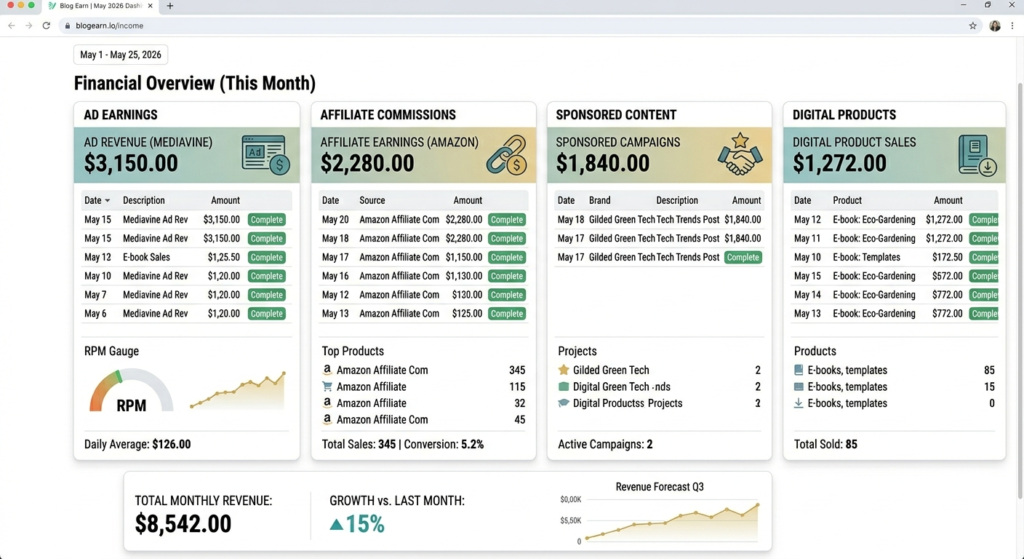
1. Ads (Passive Income)
Once traffic grows, bloggers earn through ads.
Popular option:
Google AdSense
You earn when visitors see or click ads.
More traffic = more earnings.
2. Affiliate Marketing
Affiliate marketing is one of the biggest blogging income sources.
You recommend useful products.
If someone buys through your link, you earn commission.
Example:
If you write about blogging, you can recommend:
- Hosting services
- SEO tools
- Writing tools
- AI software
But only recommend things that genuinely help readers.
Trust matters.
3. Sponsored Content
As traffic grows, brands may pay you to feature products or services.
For example:
A tech company may sponsor a tutorial or review.
4. Selling Digital Products
Many bloggers make income selling:
- Templates
- E-books
- Checklists
- Mini-courses
- Premium guides
You create once and sell repeatedly.
5. Freelancing & Services
Your blog becomes proof of expertise.
Example:
If you write SEO tutorials, clients may hire you for SEO work.
This works surprisingly well.
Step 9: Common Blogging Mistakes to Avoid
Avoid these beginner mistakes:
Choosing a Random Niche
Pick a topic with:
- Demand
- Monetization
- Long-term interest
Publishing Inconsistently
One article every few months won’t help.
Consistency wins.
Even:
2–3 quality posts weekly
can make a difference.
Writing for Search Engines Only
Write for humans first.
SEO second.
Ignoring Titles
Bad titles reduce clicks.
Spend extra time improving headlines.
Quitting Too Early
This is the biggest mistake.
Many successful blogs take:
6–18 months
to gain momentum.
Patience matters.
Step 10: Best Free Tools for Beginner Bloggers
Here are beginner-friendly tools:
- WordPress — website management
- Google Docs — writing drafts
- Google Search Console — SEO tracking
- Canva — blog images
- ChatGPT — idea generation and content support
Official websites:
Quick Blogging Roadmap for Beginners (Featured Snippet Optimized)
How to start blogging in 2026 and make money:
- Choose a profitable niche
- Buy a domain and hosting
- Set up a blog using WordPress
- Publish SEO-friendly helpful content
- Use internal linking
- Stay consistent
- Grow traffic with SEO
- Monetize with ads, affiliates, and products
FAQs
Is blogging still worth it in 2026?
Yes. Blogging still works if you focus on helpful content, SEO, and consistency.
How long does it take to make money blogging?
Most blogs take around 6–18 months depending on niche, content quality, SEO, and consistency.
Can I start blogging using only a mobile phone?
Yes. Many beginners manage blogs completely from mobile devices.
How many blog posts should beginners publish?
Aim for quality over quantity, but publishing consistently (2–3 articles weekly) is a strong start.
Conclusion
Starting blogging in 2026 is still one of the smartest online opportunities — if you treat it seriously.
You do not need to be an expert.
You do not need expensive equipment.
You do not even need a laptop to begin.
What matters most is:
Helpful content + consistency + SEO + patience
Start small.
Publish consistently.
Improve with every article.